Dreamcatchers
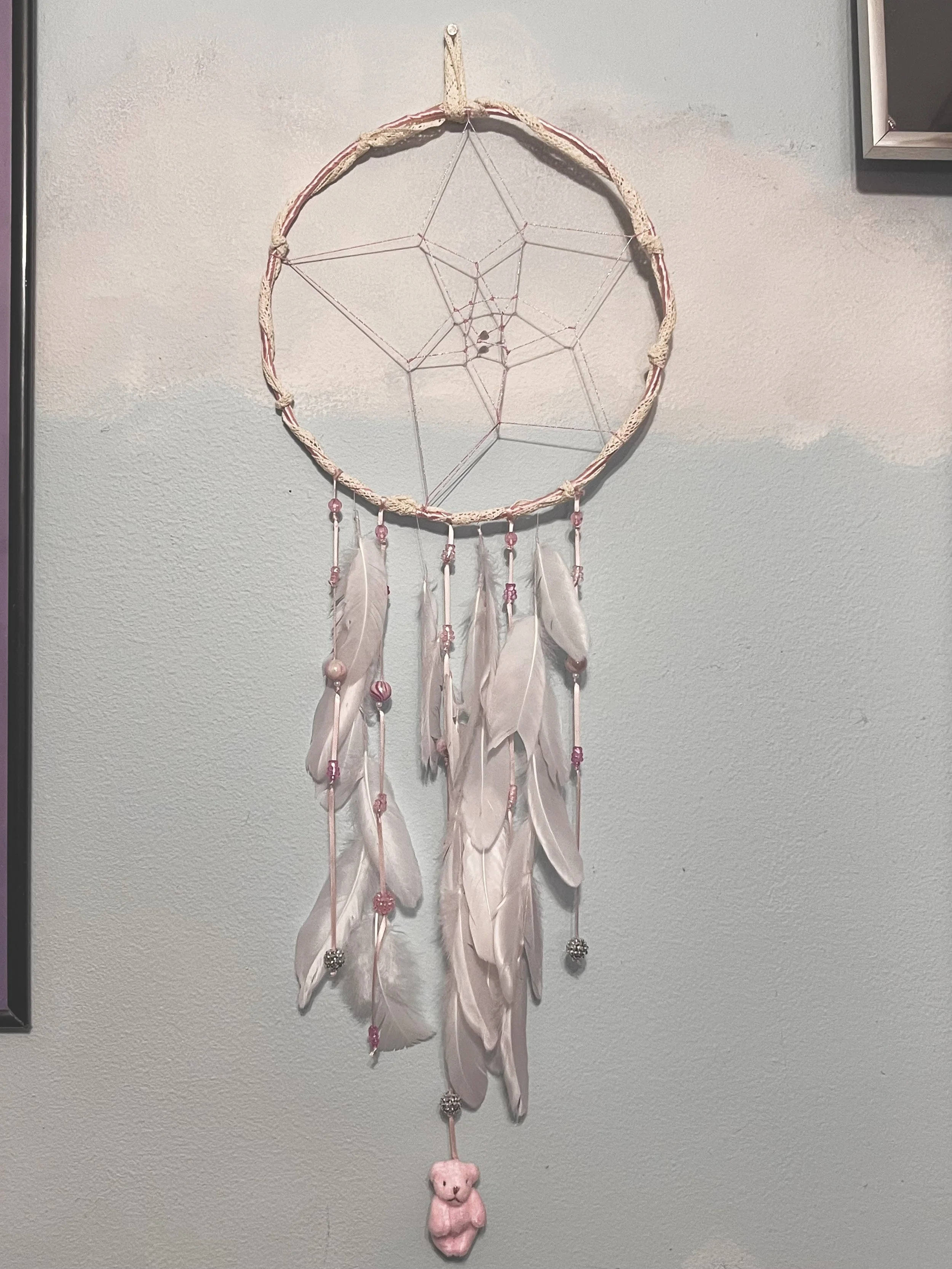
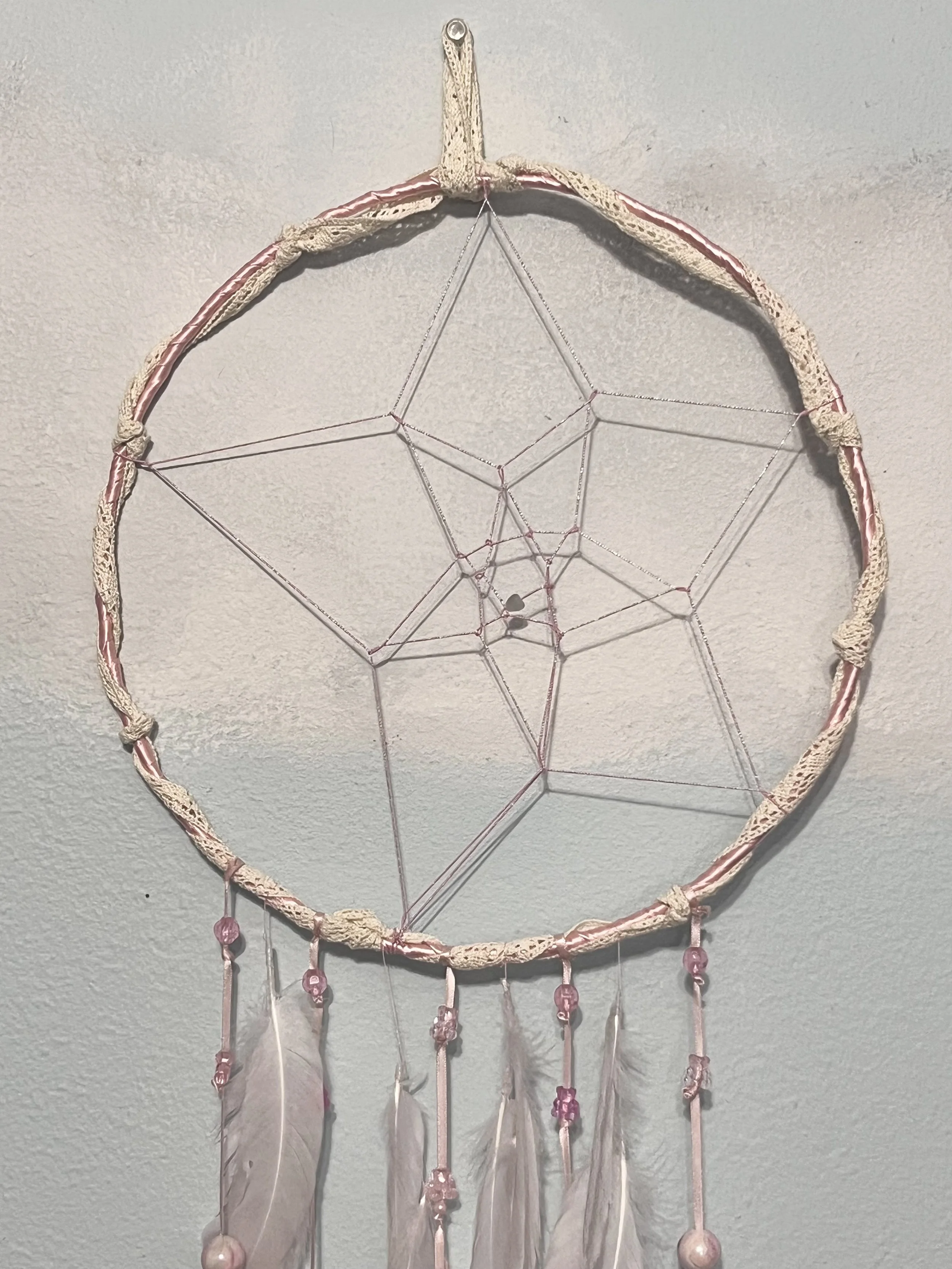
As you might have already seen in my shop or portfolio, one of the crafts I love making is dreamcatchers. I try to explain a little bit of their origin, meaning and my connection with them in my descriptions, however I wanted to go a little more in-depth about it so I thought a blog post would be the best place to do that.
While I’m not mostly Native American by blood and haven’t lived in or even been to a Reservation, I have always known I’m at least by a small part Native American. I think of the Cherokee tribe, though we don’t know a lot about this part of our family history; probably because of the effort of our government to minimize and erase the history and cultures of all the indigenous tribes who lived here first. Even though I didn’t know a whole lot about those roots, I have always been proud to be part Native American and have always loved learning more about our history and culture (even if the information has not always been very readily available).
I am by no means an expert in the history and symbolism of dreamcatchers, however I have always had a respect and belief in them. I’ve never considered them simply a pretty decoration with no other purpose than aesthetics, or a silly superstition or anything like that. Ever since I first learned about and started collecting them, I have always known at least a small part of their meaning and symbolism and truly believed in the dreamcatchers’ ability to help ease our minds at night and keep harm away. If you’re not already familiar with any of the lore surrounding dreamcatchers, mass-produced ones at souvenir shops will sometimes have a tag explaining that dreamcatchers were believed to catch your dreams: the bad ones are supposed to get trapped in the web and the good ones travel down through the feathers to you in your sleep. That is either a very simplified version of or a slightly wrong interpretation of the original beliefs about dreamcatchers. It is still not super easy to find a lot of information on the origins and history of dreamcatchers. At my local library I tried searching for books that talk about their history, or even just a book about Native American crafts or history in general, and there wasn’t much in the system and nothing available at that location. I have found some articles and videos online (links at the end) to give me more information, but I would like to continue learning more about them and will continue looking for books (recommendations appreciated!). I would also love to learn more about the culture, history and crafts on an actual Reservation; somewhere that the traditions and history have been kept alive in spite of everything this country has done to try to silence and rewrite that history.
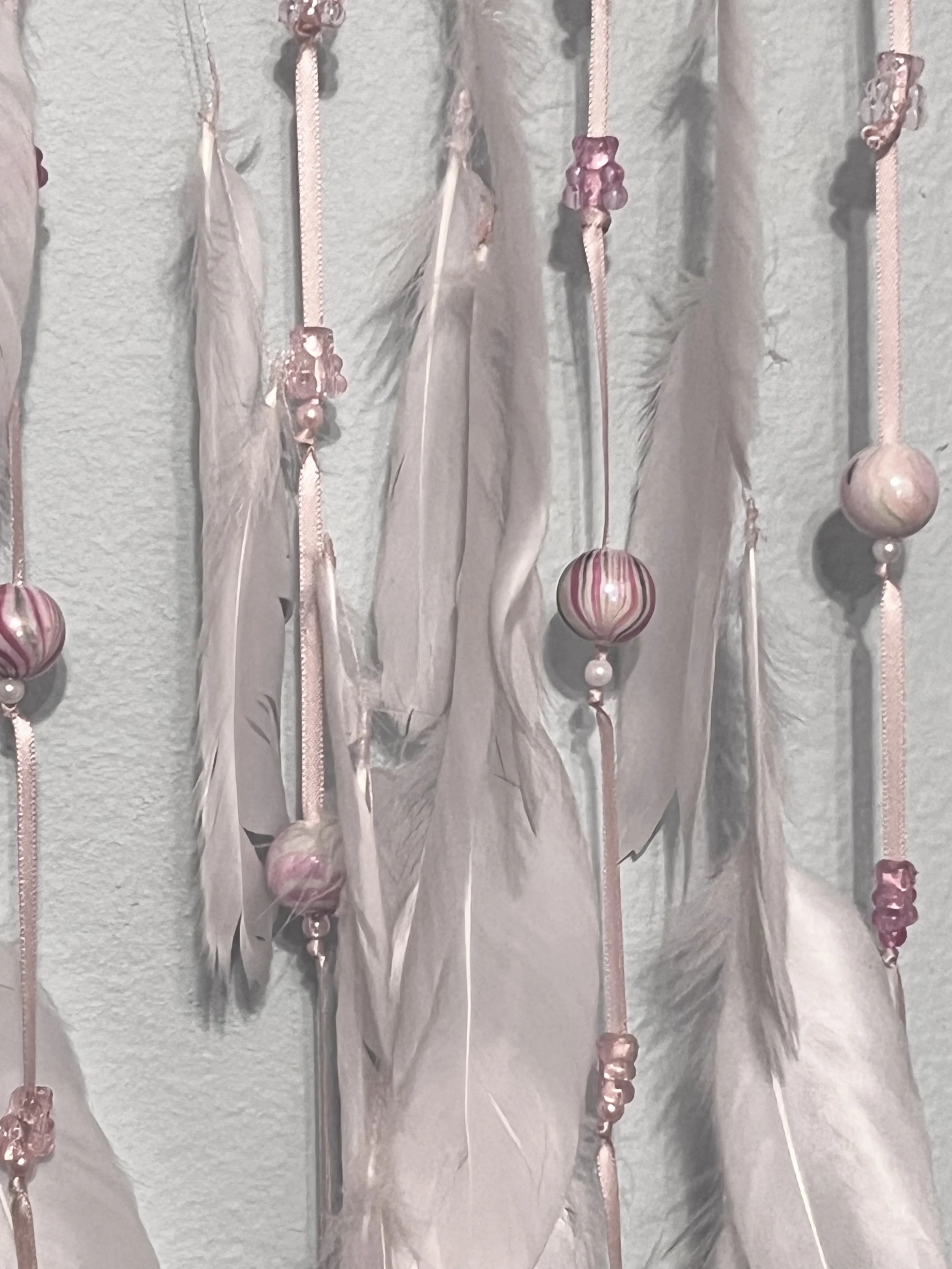
The belief of Dreamcatchers catching bad dreams and the good dreams trickling down the feathers has become the most well-known interpretation of the belief in Dreamcatchers. In this interpretation, as far as I can tell in my research, the hoop represents the circle of life, the web represents a spider’s web, the bead on the web represents the spider or the Spider Spirit, the feathers and other ornaments are sacred blessed items, and the other beads are sometimes interpreted as the “bad dreams” or malignant energy that got “caught” and kept away from whomever the Dreamcatcher is protecting. One thing I’ve learned as I’ve done more research on their origins is that the most accepted origin of the Dreamcatcher is from the Ojibwe tribe. Dreamcatchers were originally mostly used as a protective charm for protecting babies and small children from general harm and were usually hung above cradles and beds. The story goes that as the Ojibwe tribe moved and spread out across the land, it became more difficult for Asibaikaashi, the spider spirit, to weave webs protecting all the children; so mothers and grandmothers took to weaving webs with sinew in willow hoops in order to protect their small children from harm. Later on the Dreamcatcher spread from the Ojibwe tribe during the pan-Indian movement of the 1960s to 70s.
After becoming more popular as a native craft during the pan-Indian movement, the Dreamcatcher’s popularity only continued to grow and while it was, in part, starting to become a commodity to be sold to those happy to make pieces of a beautiful culture nothing more than their “aesthetic,” it also became a unifying symbol for Native American culture. It became a part of American Indian culture- the culture of the peoples who previously had many different groups with different histories, languages, cultures and beliefs but were forced to become one people with less surviving histories by their oppressors. Many choose to still use the term Indian for themselves as a continual reminder of what the USA has done- brought about brutal violence, hatred, apathy, dehumanization and whitewashing onto peoples for centuries while not even calling them by their actual specific group names but one ignorant, general term. That’s why it’s still hard to find books and information on Native American history and culture- it’s purposeful. It should be required in all school’s curriculums here to learn about what the English settlers and then the United States did to the people who were already living here, but when I was in school it was barely even a chapter in one high school class and maybe a day in elementary school to celebrate Native American culture and make a fun craft. That’s not good enough. Our government should own up to its past and require, or at the very least offer, entire classes in high school dedicated to teaching that part of our country’s history- but of course if they did that it might become more apparent that it’s still part of this country’s present.
Anyways, when it comes to Dreamcatchers, I don’t think they are just a cheap commodity that disrespects Native American culture. Can you buy cheap, mass-produced ones on Amazon that are harmful for the environment and thus go directly against the values of the culture this craft originally comes from? Yeah. Can you also buy plastic crucifixes, rosary beads, Buddha statues or Menorahs on Amazon that are also bad for the environment? Also, yes. Amazon sucks and will sell anything, but I don’t believe that that means all Dreamcatchers that aren’t made on a Reservation are disrespectful to Native American culture. It is also true that all the mass-produced dreamcatchers and the ones I make don’t look anything like the original, authentic dreamcatchers. But not all paintings look the same as paintings from centuries ago either. And you can still find more authentic, genuine Dreamcatchers sold on Reservations, and some Reservations also sell online if you can’t go in-person (link to a site with a list at the end)! And my Dreamcatchers, even though they don’t look like authentic ones, also don’t look like the cheap Amazon/souvenir shop ones. Mine are an expression of my creativity and imagination, and I put care and respect into crafting them. Arts and crafts change and evolve over time and are a way to express ourselves and our individuality. And they’re a way to connect with each other and our pasts, and a way to open up conversation to learn more. As long as you’re being respectful, thoughtful and genuinely open-minded about the meaning and history of the craft, I think it’s always a good thing to try crafts from other cultures, and to put your own unique spin on it because everyone’s art is always unique even when trying to copy something.
Here are the links I mentioned!
https://www.beadeddreams.ca/pages/our-story
https://www.theindigenousfoundation.org/articles/dreamcatchers
https://www.powwows.com/what-is-a-dream-catcher/
https://en.wikipedia.org/wiki/Dreamcatcher
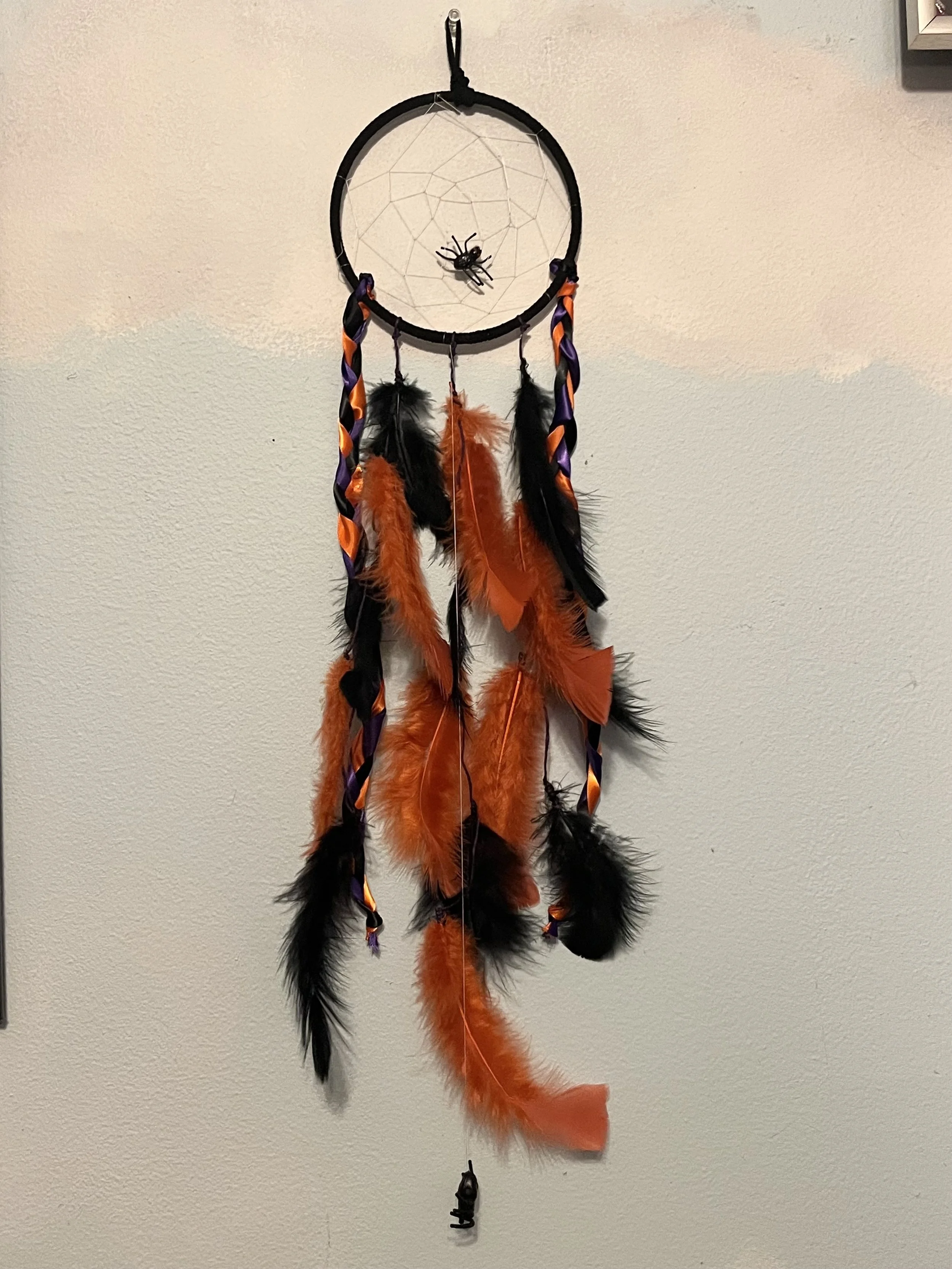
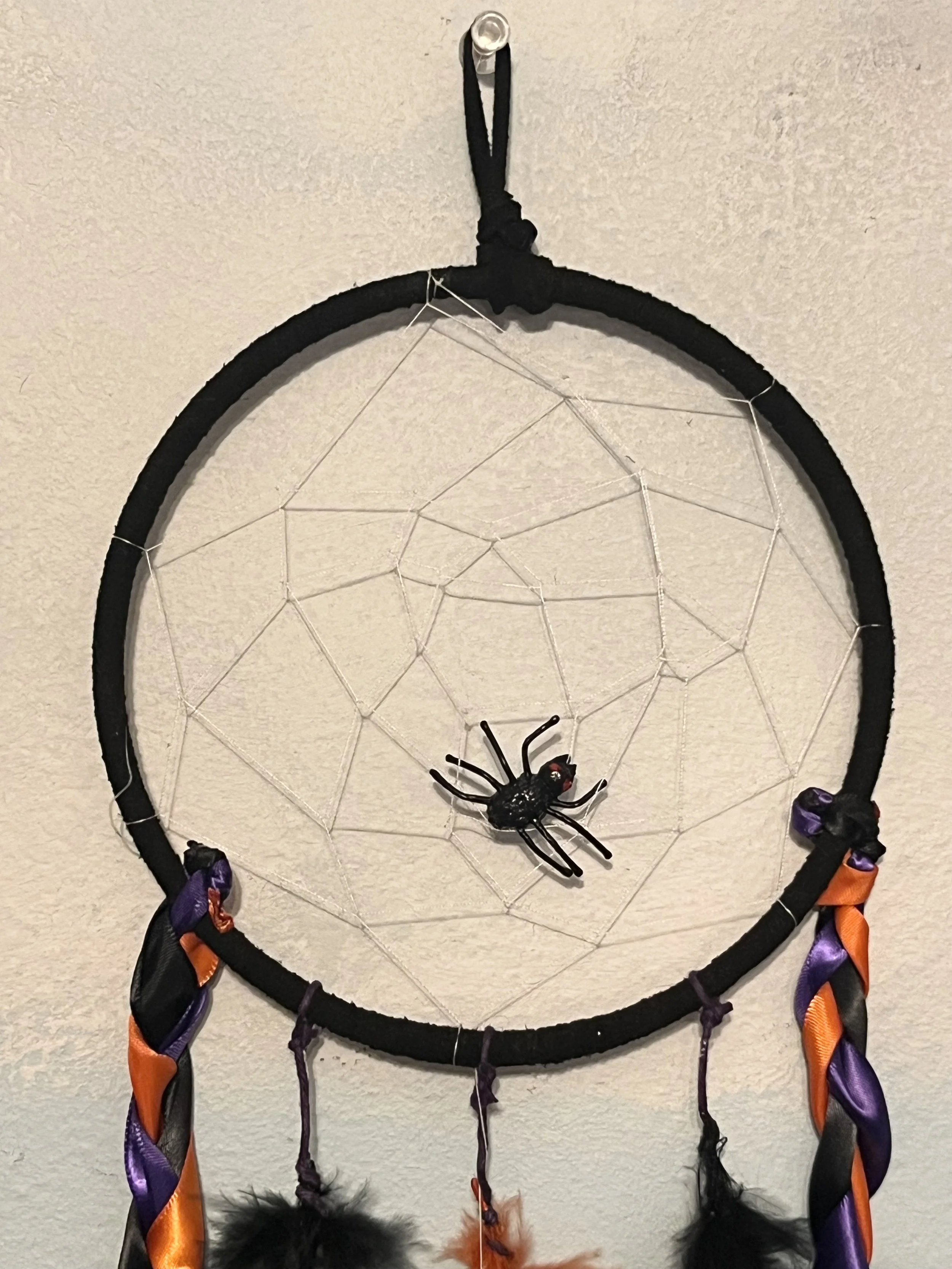
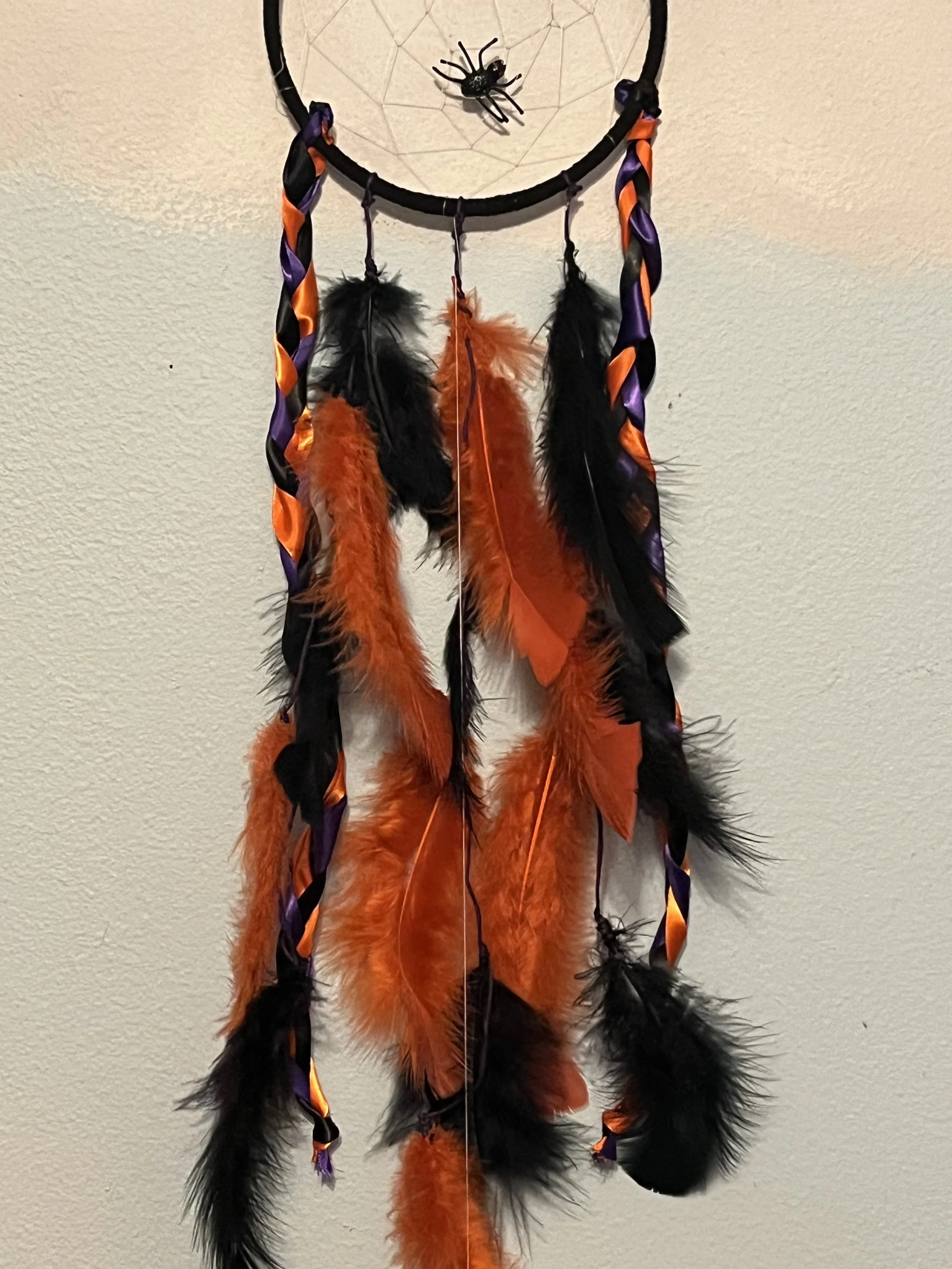
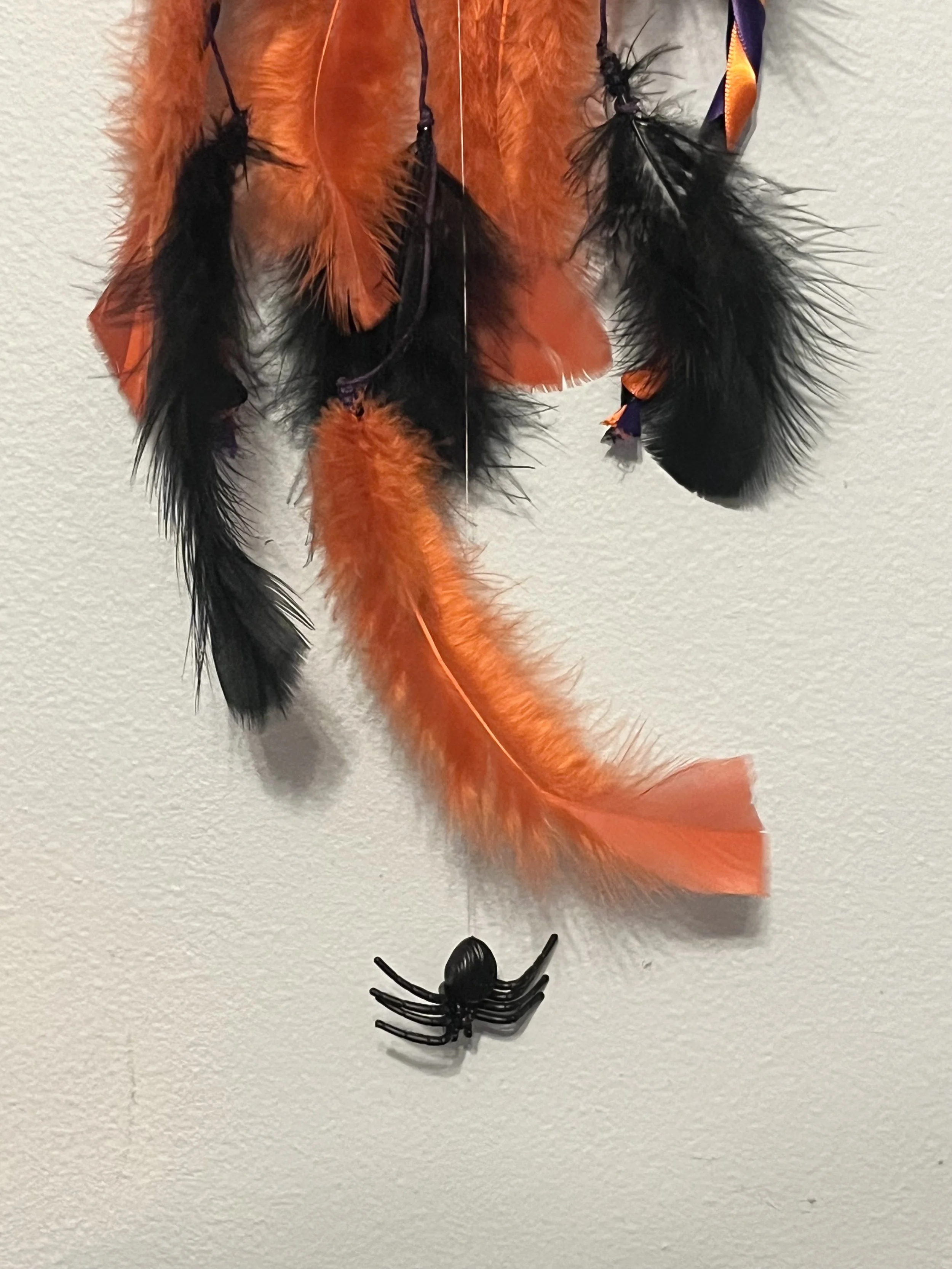
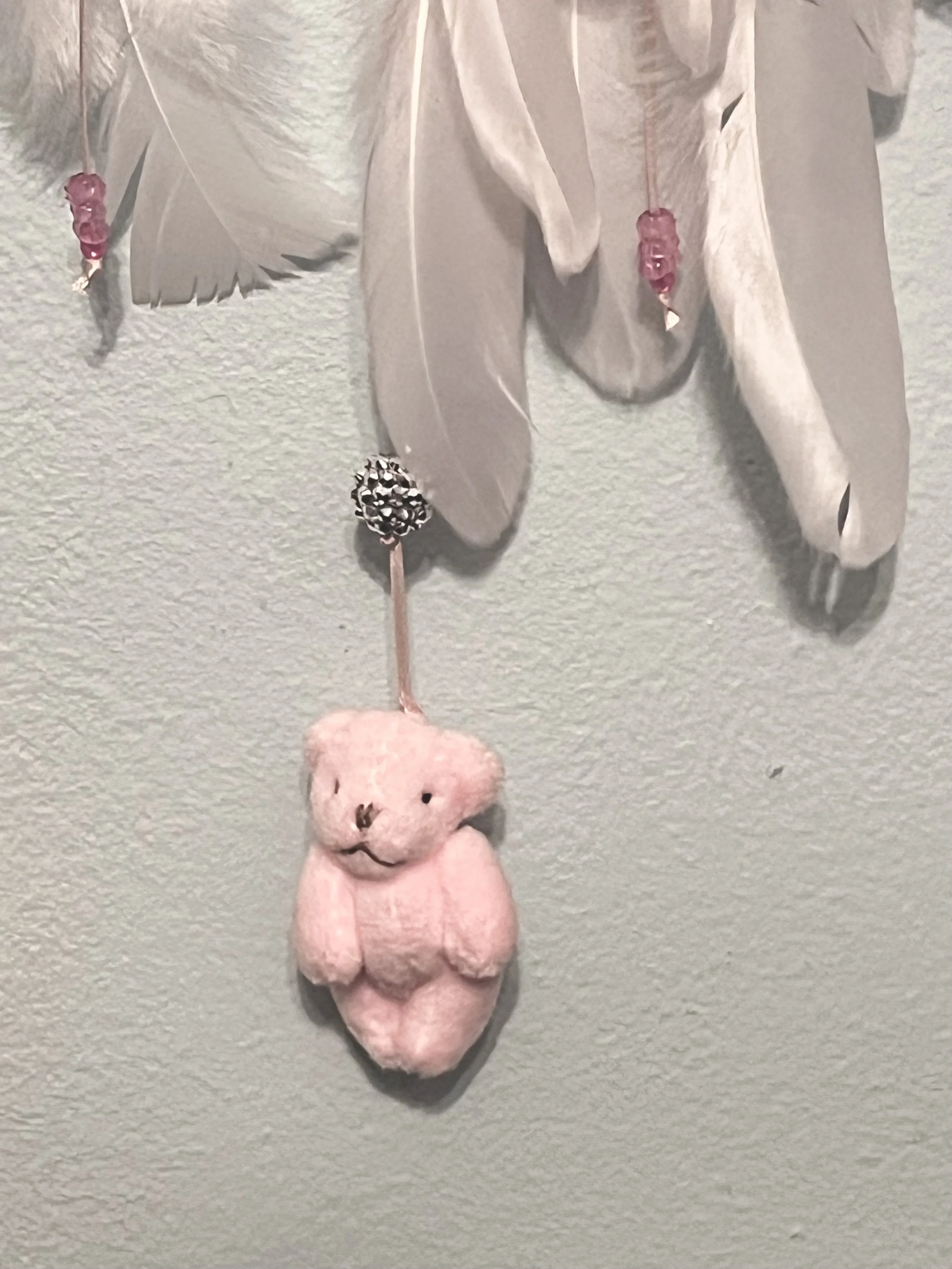
Here’s the latest 2 Dreamcatchers I just finished making!